Integrated Support Services
Building holistically Safe, Nourished, Healthy Learning Environments
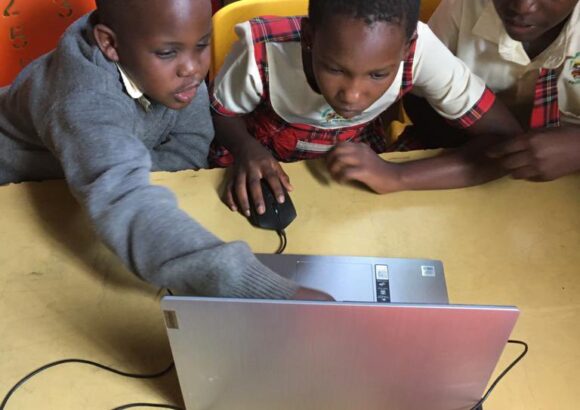
Integrated support services ensure that children’s learning, protection, health, and well-being are addressed holistically, especially in crisis-affected and emergency contexts. Education alone cannot meet the complex needs of vulnerable children; coordinated interventions across multiple sectors are essential to safeguard children and promote meaningful learning outcomes.
Effective education responses in emergency and crisis-affected contexts require strong cross-sectoral integration to address the multiple, interconnected needs of children. Learning cannot take place in isolation from safety, health, nutrition, and basic services. EiC therefore promotes an integrated approach that links education with safe learning spaces, shelter, nutrition, and WASH interventions to ensure children are able to attend school regularly, learn effectively, and remain protected.
Integrated support services transform schools and learning spaces into hubs of protection, well-being, and opportunity, where education becomes a vehicle for safeguarding children, fostering inclusion, and promoting holistic development even amid crises.

- Construct and rehabilitate safe learning spaces
- Provide access to clean water and sanitation
- Promote hygiene practices in schools
- Ensure facilities are inclusive and disability-friendly
- Child protection and safety-centered design
- Gender-sensitive and accessible facilities
- Community participation in maintenance
Why It Matters
Integrated support services enhance learning continuity, protection, and resilience. Children attending schools with integrated services are more likely to remain in education, recover from trauma, and achieve foundational skills. This approach also builds stronger education systems and community capacity, ensuring that interventions are sustainable and responsive to evolving needs. By integrating education with shelter, nutrition, and WASH, cross-sectoral programming addresses the root causes of exclusion and vulnerability. This holistic approach ensures that schools are not only places of learning, but also safe, healthy, and protective spaces where children can thrive during and beyond emergencies.
These services combine education, psychosocial support (PSS), child protection, nutrition, health, WASH, and community engagement into a cohesive response. For example, schools and temporary learning spaces serve as entry points not only for academic instruction but also for screening for protection risks, delivering school meals, promoting hygiene, and providing mental health support. By aligning multiple services in one setting, children benefit from safer, more supportive, and accessible environments that address both immediate and long-term needs.
Teachers, social workers, and trained community facilitators are central to delivering integrated support services. They identify children at risk, provide psychosocial interventions, ensure referral to specialized services, and engage parents and communities to strengthen protective networks. At the system level, coordination with local authorities, NGOs, and humanitarian actors ensures that resources are efficiently allocated, gaps are addressed, and standards are maintained.
Safe Learning Spaces and Shelter are foundational to education continuity in emergencies. Rapidly established temporary learning spaces and rehabilitated classrooms provide children with physically safe, structured environments that protect them from environmental hazards, violence, and exploitation. These spaces often double as protective shelters during crises, offering stability, supervision, and a sense of normalcy.
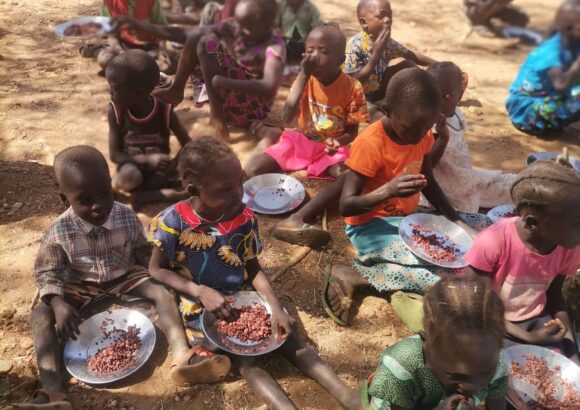
Nutrition through school feeding plays a critical role in improving enrollment, attendance, and learning outcomes, particularly in food-insecure settings. School meals act as a strong incentive for families to send children to school while addressing hunger and malnutrition, which are key barriers to concentration, cognitive development, and overall well-being.
Water, Sanitation and Hygiene (WASH) services are essential for safe and inclusive learning environments. Access to clean water, functional latrines, and hygiene facilities especially gender-segregated and disability-accessible toilets reduces disease transmission, supports dignity, and improves school attendance, particularly for adolescent girls. Hygiene promotion further strengthens health outcomes and reinforces positive behaviors in schools and communities.