CONTINUITY OF LEARNING
Protection and Inclusion
Keeping Education Going—No Matter the Circumstances
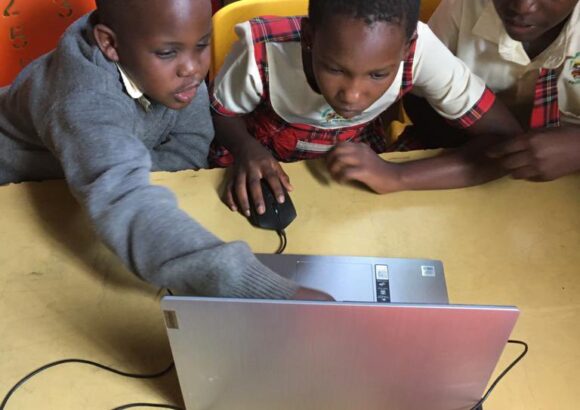
Crisis disrupts schooling. EiC ensures that learning continues even when traditional schooling is not possible. Through the development of online and offline platform called TutaLearn, is an innovative e-learning and digital resource platform designed to equip educators in crisis-affected regions with the tools, training, and resources they need to provide quality, inclusive, and adaptable education.
To ensure continuity of education, it is fundamental to provide learning opportunities with innovative approaches and through diverse modalities such as distance education platforms, access to online courses or through mass media that do not require internet access, such as: radio, television and smartphones, as well as printed materials.
- Remote and alternative learning solutions
- Catch-up and accelerated learning programs
- Flexible schedules for displaced or working children
- Low-tech and no-tech learning options
- Printed materials
- Radio and offline learning tools
- Community-based learning models

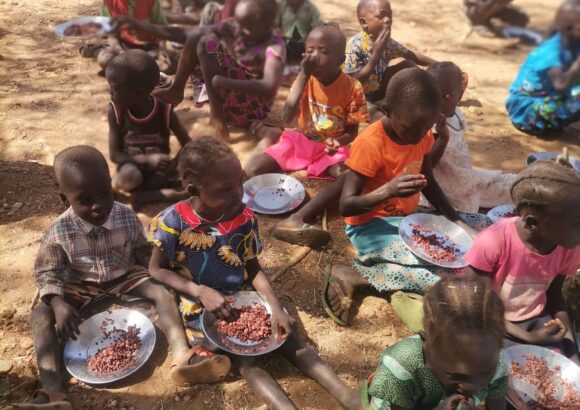
Continuity of learning is essential to protecting children’s right to education in contexts affected by conflict, displacement, climate shocks, and other emergencies. When education is disrupted for prolonged periods, children face significant learning loss and are at heightened risk of dropping out permanently. For many, especially girls and marginalized children, interrupted learning increases exposure to child labor, early marriage, exploitation, and recruitment by armed groups.
Ensuring continuity of learning means providing timely, flexible, and context-appropriate education solutions that allow children to continue learning despite instability. This includes temporary learning spaces, rapid school rehabilitation, accelerated learning programmes, and the use of low-tech or alternative delivery modalities such as printed materials, radio instruction, and offline digital content where connectivity is limited.
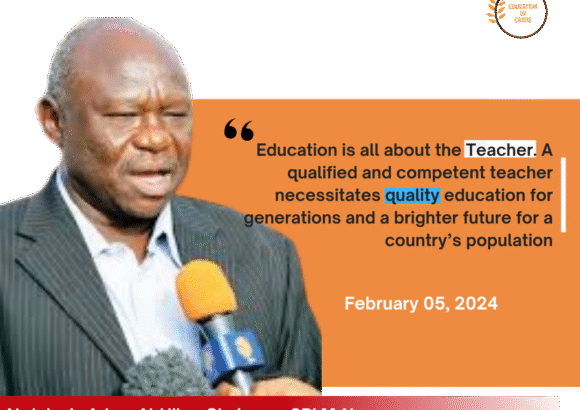
Teachers play a central role in maintaining learning continuity. Supporting and training teachers in crisis-responsive, child-centered, and inclusive pedagogy helps ensure that learning continues even in challenging environments. Catch-up and remedial approaches are also critical to help learners recover lost time and re-engage meaningfully with the curriculum.
By prioritizing continuity of learning during emergencies, education systems can prevent long-term exclusion, reduce learning poverty, and support children’s psychosocial well-being. Continuity of learning not only keeps children engaged academically but also provides stability, protection, and hope laying the foundation for recovery, resilience, and sustainable development in crisis-affected communities.