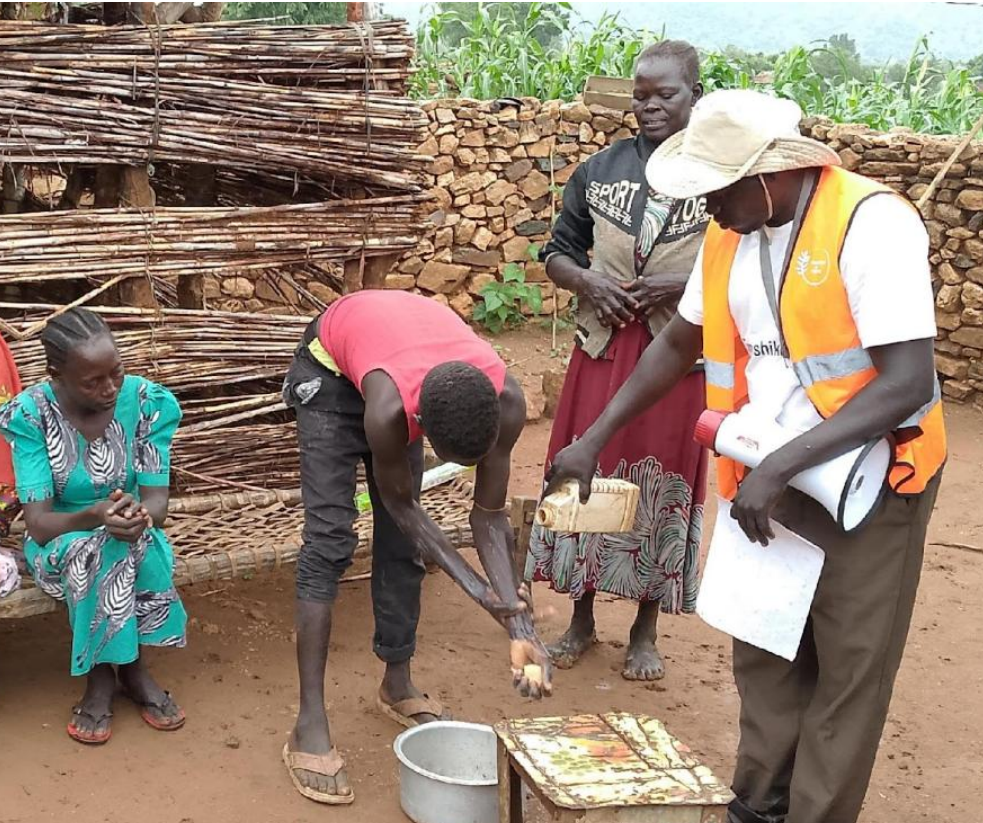
The cholera emergency response intervention, funded by NRC Sudan and implemented by EiC, focused on reducing the spread of cholera through comprehensive health education, mass awareness campaigns, and promotion of Water, Sanitation, and Hygiene (WASH) practices. The initiative also included distribution of critical sanitation materials particularly soap and active community engagement to contain the outbreak in Heiban County and prevent further transmission.
Cholera is an extremely virulent acute diarrheal disease caused by ingesting food or water contaminated with Vibrio cholerae. It affects both children and adults and can be fatal within hours if left untreated. Recognizing the severity of this threat, EiC targeted approximately 300 households in both IDP and host communities within the Dillir camp area of Heiban.
EiC acknowledges that cholera is a disease of inequity, disproportionately affecting the world’s poorest and most vulnerable populations. Our goal is to foster sustainable livelihoods and resilient communities placing strong emphasis on education, awareness, and preparedness against health disasters, ignorance, climate change, and other crises.
In the Nuba Mountains, cholera outbreaks intensified existing humanitarian challenges, strained fragile health systems, and were further exacerbated by climate change creating a complex crisis requiring urgent, coordinated action.
Key Achievements
- 521 households reached with life-saving information and hygiene materials.
- 6,500 individuals sensitized on cholera prevention best practices.
- Strengthened community awareness, hygiene behaviors, and infection prevention.
- Increased resilience and understanding of disease prevention in IDP and host communities.
EiC remains committed to sustaining and expanding this initiative to ensure every individual in the Dillir IDP camp and surrounding settlements is informed, prepared, and empowered to combat cholera through safe, healthy practices.
Leave a Reply